QR Code Payments Fundamentals: What is QR Pay, Phone Pay QR Code & QR Code for Payment Explained
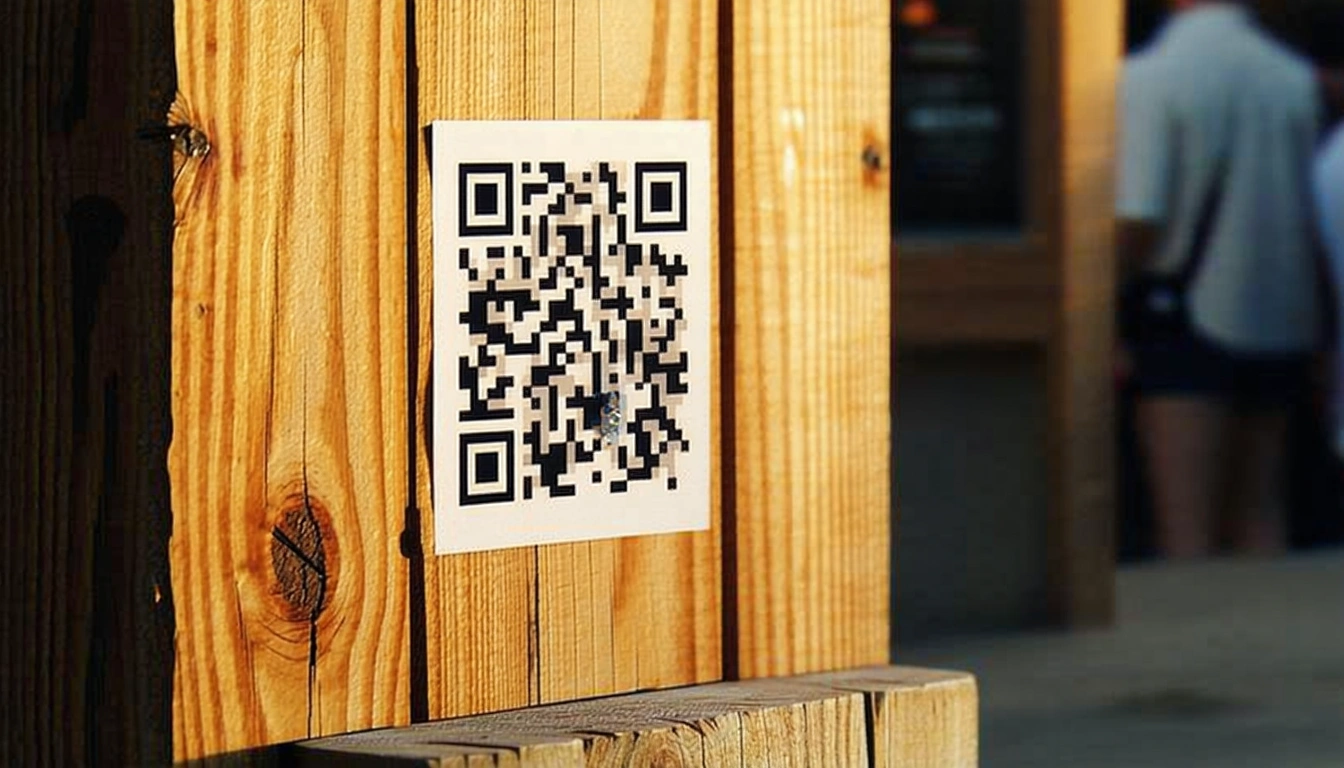
Street vendors in Mumbai hold up printed squares that customers scan with smartphones, transferring funds instantly through apps like PhonePe. This everyday sight exemplifies QR code payment, a method that bypasses cash and cards entirely. Originally developed in 1994 by Denso Wave to track vehicle parts, the QR code—short for Quick Response—evolved into a payment powerhouse, especially after Alipay and WeChat Pay integrated it in China around 2011. Today, what is QR pay becomes clear: a dynamic link between a merchant's code and a payer's digital wallet.
Code payment via QR thrives in emerging economies where smartphone penetration outpaces banking infrastructure. In India, the Unified Payments Interface (UPI) powers millions of such transactions daily, with Phone Pay QR code serving as a prime example. Merchants print static codes for fixed amounts or generate dynamic ones for variable sums. Customers open apps, scan, confirm, and pay—often in under five seconds. This system cuts transaction costs to fractions of a cent, compared to card swipes or POS terminals that demand hardware investments.
Businesses gain from reduced cash handling risks and faster checkouts, while users enjoy contactless convenience without sharing card details. Yet adoption hinges on understanding mechanics, security, and integration. This guide covers fundamentals from definitions to real-world applications, equipping readers to implement or optimize QR code for payment in operations or daily use. Whether expanding a small shop or simplifying personal spending, grasping these elements unlocks efficiency in a cashless shift.
What is a QR Code Payment?
Core Definition and Origins
A QR code payment occurs when a user scans a two-dimensional barcode with a smartphone camera to initiate a financial transfer. Unlike one-dimensional barcodes, QR codes store data horizontally and vertically, enabling complex information like account details and amounts. What is QR pay simplifies to this: merchants display a code, customers scan via an app, and funds move from linked bank or wallet accounts.
Distinction from Traditional Code Payment Methods
Traditional code payments, such as magnetic stripe or chip-based, require physical readers and infrastructure. QR code payment shifts control to software on user devices, eliminating hardware needs. Phone Pay QR code exemplifies this by leveraging UPI for peer-to-peer and merchant transfers without intermediary devices.
How Does QR Code for Payment Work?
Static versus Dynamic QR Codes
Static QR codes encode fixed information, like a merchant ID for open-amount payments. Users scan, enter the sum manually, and pay. Dynamic QR codes, generated per transaction, embed specific amounts and order details, reducing errors. Apps like those supporting Phone Pay QR code switch between types based on context.
Step-by-Step Transaction Flow
Merchants generate or display a QR code. Customers launch a payment app, position the camera over the code, and review details. Biometric or PIN confirmation authorizes the transfer. Banks or payment networks settle funds in seconds, notifying both parties. This process supports code payment across ecosystems like UPI, Pix in Brazil, or PromptPay in Thailand.
Integration with Mobile Wallets
Mobile wallets bridge QR scans to bank accounts. For instance, scanning a Phone Pay QR code pulls UPI credentials, authenticates via mobile number or virtual ID, and executes the payment. Wallets handle encryption, ensuring data security during transmission.
Benefits of QR Code Payments
Advantages for Merchants
Merchants avoid POS hardware costs, which can exceed hundreds of dollars. QR code payment accepts payments via printed stickers or screens, ideal for pop-ups or markets. Settlement speeds enable same-day fund access, improving cash flow.
Customer Conveniences
Users carry no physical tender, reducing loss risks. What is QR pay appeals for speed—scans beat fumbling for cards—and universality across apps. Contactless nature suits high-traffic or hygiene-conscious settings.
Economic and Scalability Edges
Transaction fees drop below 1% in many systems, versus 2-3% for cards. Scalability shines in volume: one code handles unlimited scans until replaced. Phone Pay QR code demonstrates this in India's high-velocity retail.
Security in QR Code Payments
Built-in Protections
QR codes transmit tokenized data, not full account numbers. Apps enforce two-factor authentication via biometrics or OTPs. Networks like UPI limit transaction values and flag anomalies in real time.
Risks and Best Practices
Fake codes trick scanners into malware or phishing sites. Verify merchant legitimacy and use official apps. Dynamic codes minimize replay attacks. Users should enable transaction alerts and review statements regularly for code payment safety.
Regulatory Safeguards
Governments enforce standards: India's NPCI mandates UPI encryption, while global PCI DSS applies to processors. These layers protect QR code for payment integrity.
Implementing QR Code Payments
Tools and Setup for Businesses
Payment providers offer free QR generators. Link to bank accounts or wallets, print codes, and display. Test with small transactions before scaling.
Consumer Onboarding
Download verified apps, link bank via secure flows, and practice scans. Phone Pay QR code setup involves Aadhaar or basic KYC for UPI activation.
Troubleshooting Common Issues
Scan failures stem from poor lighting or damage—reprint if needed. Network delays resolve with retries. App updates fix compatibility.
Frequently Asked Questions
Is QR code payment safe for large amounts?
Systems cap daily limits, often $500-$2000, adjustable with verification. Use dynamic codes and biometrics for high values. Networks reverse fraudulent charges if reported promptly.
How do I create a QR code for payment as a merchant?
Access your payment app or provider dashboard, input business details, select static or dynamic, and download the image. Place on receipts or signage. Updates occur via app refreshes.
What makes Phone Pay QR code different from others?
PhonePe integrates UPI deeply, supporting zero-balance wallets and instant settlements. Its QR handles collections and bills uniquely, with rewards tied to scans.
Can QR code payment work offline?
Scans require internet for authorization, but some apps cache recent transactions for later sync. Full offline demands specialized hardware, rare in consumer apps.
Are there fees for QR code payments?
Merchants face negligible or zero fees on UPI; customers pay none. International variants vary—check provider terms for cross-border use.
How widely accepted is code payment globally?
Dominant in Asia (India, China), growing in Africa and Latin America. Apps bridge ecosystems, but compatibility depends on local networks.